From Umar Alibe, in Damaturu
A prolonged dry spell has devastated farmlands across northern and eastern Yobe State, leaving thousands of farmers and pastoralists facing a failed harvest and a deepening food security crisis.
The rainy season in the region typically runs from late June to October. But with September already underway and little to no consistent rainfall, crops of millet, sorghum and groundnut have withered in the fields, farmers say.
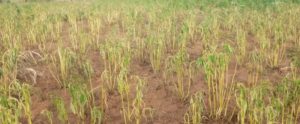
The situation has raised fresh alarm over the livelihoods of rural families who depend almost entirely on crop farming and livestock production for survival.
For many communities, the crisis has already triggered an exodus. Malam Ali Kadau, a local farmer, said families are preparing to abandon their homes in search of food and income.
“We are preparing to leave our homes to look for something we can bring back to feed our families,” he said. “Honestly, this year’s rainy season has given us little hope. Our millet, sorghum and groundnut crops have all dried up.”
Kadau said young people are leaving for cities such as Lagos, Port Harcourt and Ibadan, and some are travelling as far as Libya and Algeria, in a desperate bid to survive.
To fund these journeys, families are selling off livestock and other valuables. “We sell animals to raise money for transportation and feeding,” Kadau said. “For the women and children who remain behind, we try to provide whatever little support we can until we find something to do and send money home.”
Sani Garba Maigana warned that the dry spell threatens not only agricultural output but also household incomes, food supplies and the economic stability of vulnerable rural communities.
Residents have appealed to the Yobe State Government and relevant agencies to urgently provide relief materials, food assistance and other support to cushion the impact of the poor farming season.
They said immediate intervention is critical for vulnerable households that may struggle to meet basic food and livelihood needs in the coming months.
For many affected families, the worry now goes beyond the loss of this year’s harvest, it is how to secure enough food and income to survive until the next planting season