
From Femi Mustapha, Kaduna
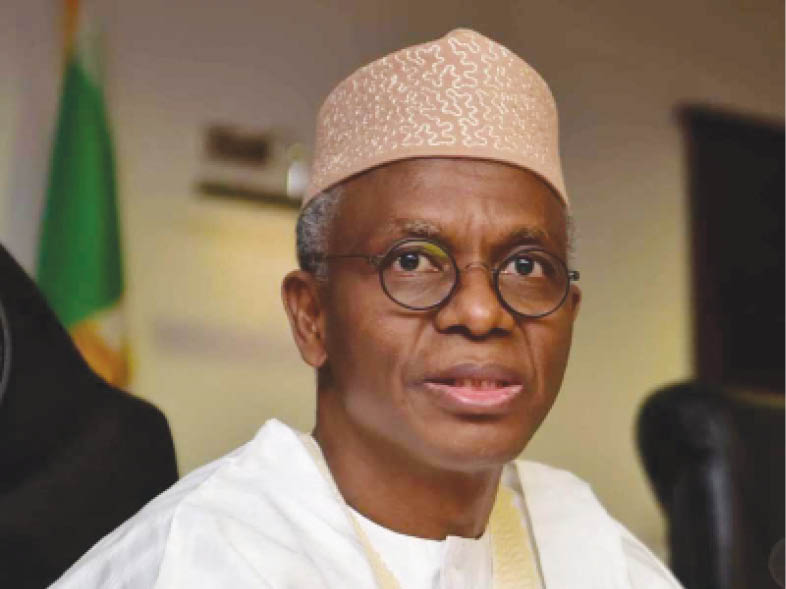
A palpable internal conflict looms in the Kaduna State chapter of the African Democratic Congress (ADC), as loyalists of former Governor Nasir El-Rufai allege abandonment of the political network that supported him through years of struggles.
What started as disagreements over the party’s governorship and legislative primaries has escalated into trading of tackles.
Disgruntled members claim that years of loyalty, personal sacrifices, and political risks were ignored through backdoor deals and proxy arrangements that excluded them from key contests.
The crisis worsened after Isa Ashiru Kudan was announced as the ADC governorship candidate in a process several aspirants and stakeholders have labeled as flawed.
This result has become a flashpoint for broader discontent within the former governor’s camp.
Ja’afaru Sani, a leading governorship aspirant and close ally of El-Rufai, was among the first to reject the outcome.
He called the primaries fraudulent and warned he might leave the party if his concerns were not addressed.
His stance has encouraged other legislative aspirants and loyalists to speak up.
A coalition led by Samaila Makarfi has since condemned the process as a “sham,” citing widespread irregularities, manipulation, and what they describe as deliberate efforts to exclude certain groups.
The group argues the process lacked transparency and undermined internal democracy.
For many in the camp, however, the disputed results are less important than a deeper grievance: the allegation that El-Rufai quietly stopped supporting allies who stood by him during his toughest political and legal challenges.
Several members say individuals who risked their reputation, freedom, and resources in loyalty to the former governor have now been left vulnerable.
The feeling is especially strong around the cases of Ja’afaru Sani, who is allegedly under investigation by anti-graft agencies, and former Chief of Staff Bashir Saidu.
Insiders claim that, while allies expected El-Rufai to defend them publicly, political strategy appeared to take priority.
They allege that emissaries linked to him quietly influenced the governorship process in favor of Ashiru, despite public statements of neutrality.
Efforts to reduce the tension have so far failed. There were claims that Asiya El-Rufai reportedly met with some aspirants to reassure them that her husband was not backing any candidate.
But loyalists say the message did not match what was happening on the ground, arguing that the outcome reflected a pre-arranged deal that shut out longtime allies.
Frustration has also grown over what some see as misplaced priorities. Stakeholders accuse the former governor of focusing more on his son, Bello El-Rufai’s political future. Meanwhile, core loyalists who built and defended his structure allegedly received little support or protection.
The crisis has been worsened by El-Rufai’s current detention by the ICPC, which many believe has created a leadership vacuum.
In his absence, competing interests and proxy groups have stepped in, deepening divisions within the party.
The Kaduna ADC leadership itself remains divided. Before the primaries, the party publicly disowned an unauthorized “ADC Transition Committee” meeting linked to El-Rufai associates. The event reportedly turned violent, with gunfire reported, and is now under police investigation.
With the governorship and legislative aspirants rejecting the primaries, accusations of betrayal dominating internal discussions, and trust within the El-Rufai camp challenged, political observers warn that the Kaduna ADC may risk a major split ahead of the 2027 general elections, if concrete measures were not taken to reserve the trend.