
Citizenship News
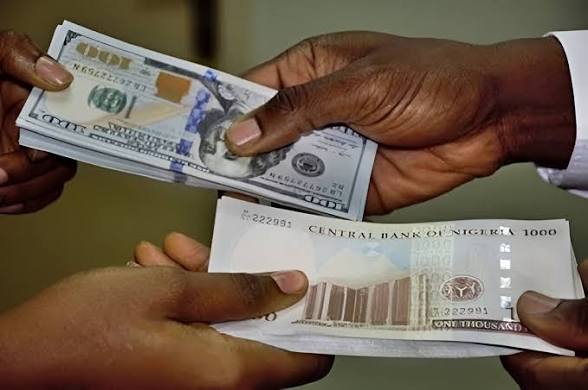
According to the Nigerian Foreign Exchange Market (NFEM), the Naira depreciated marginally in July 2026, moving from an average of ₦1,366.99 per US dollar in June 2026 to ₦1,373.48 per dollar as of 30 July 2026, a month-on-month decline of 0.47%.
In July, the exchange rate remained relatively stable, fluctuating within a narrow band of approximately ₦1,362 to ₦1,383 per US dollar.
Despite heightened volatility in global markets stemming from Middle East tensions, this modest depreciation highlights the Naira’s resilience to external shocks, a point highlighted by the CBN in its 306th Monetary Policy Committee (MPC) communique.
This fundamental signal of resilience is expected to bolster investor confidence and attract foreign investment.
To further strengthen the macroeconomy, policymakers should prioritise measures that enhance foreign exchange supply, particularly by boosting export capacity and attracting stable capital inflows.
Key actions include targeted investments in export-enabling infrastructure, such as roads, ports, and storage facilities; sustained support for domestic manufacturing to reduce import dependence; and maintaining transparency in foreign exchange market operations and ensuring timely access to foreign currency.