By Garba Abdullahi Bagwai
KANO, July 24 — Over ₦55.47 billion jas been approved by the Kano State Executive Council to improve education, healthcare, road infrastructure, water supply, housing, rural development and other critical sectors across the state.
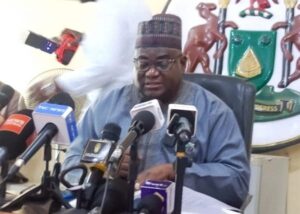
The approvals were made during the 40th Executive Council meeting chaired by Governor Abba Kabir Yusuf at the Government House in Kano.
According to the Commissioner for Information and Internal Affairs, Ibrahim Abdullahi Waiya, the projects are part of the administration’s efforts to accelerate socio-economic development and improve residents’ welfare.
Education received the largest share of the approvals, with the government approving the renovation and construction of schools, provision of furniture, establishment of new learning facilities, rehabilitation of science and technical colleges, procurement of educational materials for special schools, and settlement of outstanding feeding costs for boarding schools.
Major projects include the rehabilitation of Sani Bello Science College, Dawakin Kudu, Science Secondary School, Dawakin Tofa, and the establishment of the Maryam Abba Yusuf Modern Learning Centre at Rijiyar Gwangwan.
In the health sector, the council approved the construction, upgrading and rehabilitation of primary healthcare centres across several local government areas, alongside the procurement of medical equipment and furniture for hospitals and the Kano State Comprehensive Sickle Cell Treatment Centre.
The council also approved compensation for property owners affected by major road projects, including the Kano Northern Bypass, the Gaya dual carriageway and the Kano–Dawakin Tofa–Gwarzo–Dayi road project.
A property at Kofar Nassarawa was acquired for conversion into an Islamiyya school for girls and women.
To improve water supply and environmental sanitation, approvals covered the supply of diesel for waterworks, payment of electricity bills, annual desilting of drainage channels, landscaping of parks, construction of drainage systems and rehabilitation of cemetery infrastructure.
The Ministry of Works secured approvals for numerous infrastructure projects, including the construction and rehabilitation of roads, installation of solar streetlights, reconstruction of public facilities, renovation of government offices, completion of sports and training facilities, and the construction of the Ungogo–Minjibir Road.
Other approvals include perimeter fencing for the Kwankwasiyya and Amana City housing estates, counterpart funding for the Rural Access and Agricultural Marketing Project (RAAMP), procurement of broadcasting equipment for the Kano State Broadcasting Corporation, and training for public information officers.
The Executive Council also approved the transmission of several health-related bills to the Kano State House of Assembly, including proposals to upgrade health institutions into colleges and review key health sector laws.
It equally endorsed Kano State’s participation in the NG-CARES 2.0 programme to expand social protection and economic recovery initiatives.
As part of measures to enhance public safety, the council declared the practice known as “Daba” a deviant social act and directed security agencies to intensify enforcement against it.
The council further received reports on the successful conduct of the 2026 Hajj operations, presentations on the global halal economy and the Kano State Master Plan, while Governor Yusuf was presented with several awards by professional bodies and civil society organisations in recognition of his administration’s achievements.