
From Femi Mustapha, in Kaduna
Civil society organizations, youth advocates, and other stakeholders have stepped up efforts to enhance the tracking of Sexual and Reproductive Health and Rights (SRHR) funds, release, and performance in Kaduna State. The goal is to increase transparency and improve service delivery at Primary Healthcare Centers.
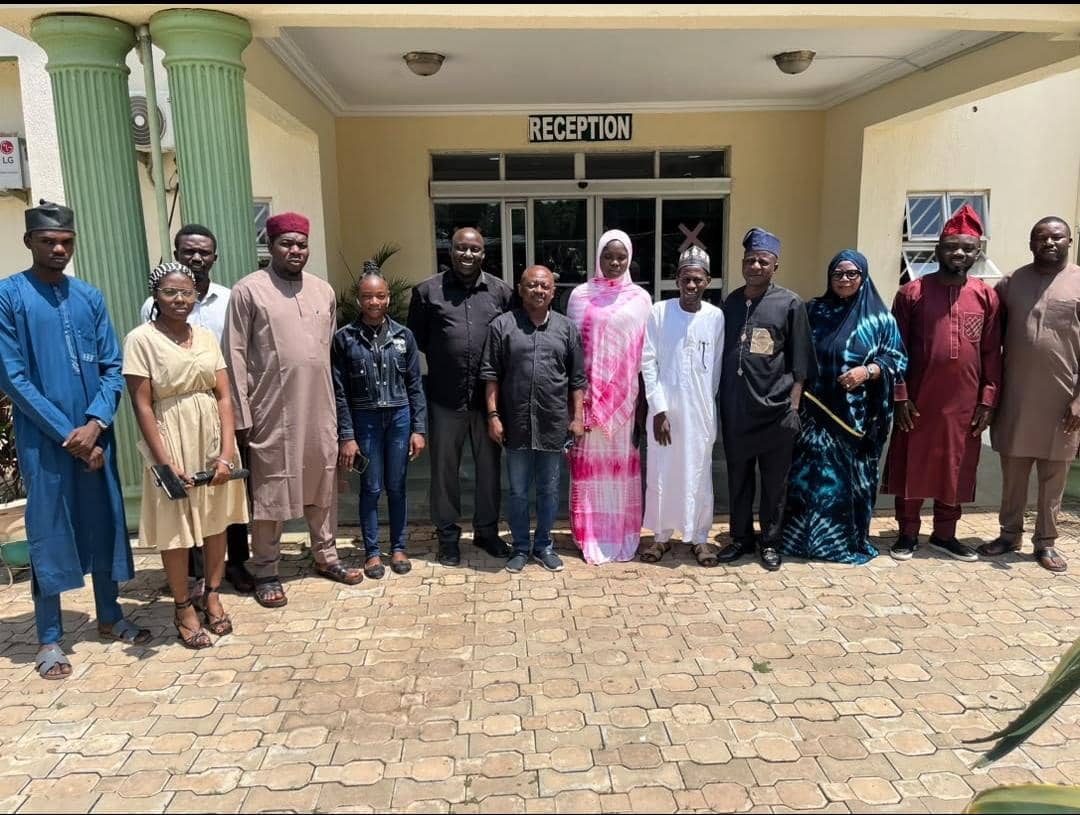
This initiative followed a two-day Technical Support Program on Tracking SRHR Funds Release and Performance, held from Friday, September 18th to Saturday, September 19th, 2026, at NEARLS Suite, ABU Zaria. Lafiya organized the event in partnership with KADLGAM.
A communiqué signed by Patience Fredrick, Co-Lead of Gender and Social Inclusion at the Youth Advocacy Coalition on Demographic Dividend, stated that the program brought together representatives from civil society organizations, youth advocacy groups, community structures, media, government, and other relevant stakeholders.
The communiqué explained that the program focused on building participants’ capacity to track SRHR budget allocations, releases, expenditures, and implementation, while also improving the link between financial information and service delivery at PHCs.
Participants discussed the importance of monitoring the flow of funds from budget approval and release to actual expenditures and facility-level implementation. They emphasized the need to compare the Annual Operational Plan (AOP) with the approved budget and to gather accurate information on specific SRHR budget lines.
Additionally, the group highlighted the need to collaborate with Lafiya and other partners to gather information on the supply of medicines, commodities, and other essential items to PHCs. Civil society organizations were also encouraged to understand and document the financial contributions of development partners to SRHR initiatives.
The program showcased the development of an SRHR scorecard, a tool designed to identify key issues related to funding releases and implementation gaps. Participants recommended that the scorecard findings be shared with relevant government stakeholders, the OGP Steering Committee, and other accountability platforms.
The communiqué also stressed the importance of engaging the media and holding quarterly accountability sessions to present and discuss findings.
Mr. Goje Yusuf presented on the localization of the SRHR tracker across the 225 wards through KADLAM. The proposed information flow involves community monitors, Ward Development Committees (WDCs), KADLAM, local government structures, zonal coordination, and the OGP Civil Society Secretariat.
Participants agreed on the need to standardize evidence collection and submission, validate community findings before escalation, and document feedback, responses, and follow-up actions. This aims to establish a clear system where verified community-level evidence can inform monitoring, advocacy, and accountability efforts.
Follow-up actions include further SRHR data collection, developing a scorecard based on third-quarter budget performance, organizing a virtual session on SRHR findings, presenting the scorecard at the OGP Steering Committee meeting, and conducting step-down training by the relevant Technical Working Program.
According to the communiqué, the program concluded with a shared understanding that effective SRHR financial tracking depends on reliable financial data, community-level evidence, regular stakeholder engagement, and diligent follow-up on identified gaps.
Participants committed to applying this knowledge to strengthen transparency, monitoring, and accountability in SRHR financing and service delivery in Kaduna State.