Leaders of the Grain and Millet Market in Gashua, Bade Local Government Area of Yobe State, have expressed concern over the persistent traffic congestion experienced during market days.
The market is one of the largest grain trading centres in Nigeria, attracting buyers and sellers from different parts of the country as well as neighbouring countries such as Niger, Chad, Ghana, and others.
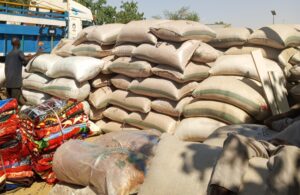
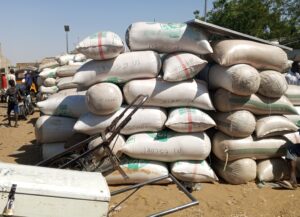
The market reportedly generates commercial transactions worth approximately ₦800 million or more weekly, contributing significantly to revenue generation for both Yobe State and the country at large.
Speaking with the market leaders, Alhaji Musa Ibrahim Faraja explained that the Gashua Grain and Millet Market maintains strong trading connections with the international grain market in Dawanau, Kano State, where substantial commercial transactions take place every week.
He noted that the market provides livelihoods for thousands of people and called on the Yobe State Government to expand the market in order to reduce the persistent congestion affecting traders, buyers, and other market users.
Mohammed Gawo, the Deputy Chairman of the Grain Market, also highlighted the market’s contribution to government revenue and employment opportunities for young people. He stressed the need for the government to rehabilitate and improve the roads leading to the market to ease movement for traders and customers coming from different parts of Nigeria and neighbouring countries.
Meanwhile, the market’s Treasurer, Ba Kyari Ibrahim Abba, stated that the market has the capacity to supply the government with grains, millet, beans, and other agricultural commodities whenever needed for its intervention programmes.
He assured the government that the commodities available in the market are of good quality and not deteriorated or outdated stock.
He further called on the government to support the market through investment and financial assistance, particularly for young people and small-scale traders, to enable them to expand their businesses.
According to him, supporting young people and small-scale entrepreneurs is essential to reducing unemployment, idleness, and other social challenges among youths.