
Citizenship News with Agency report
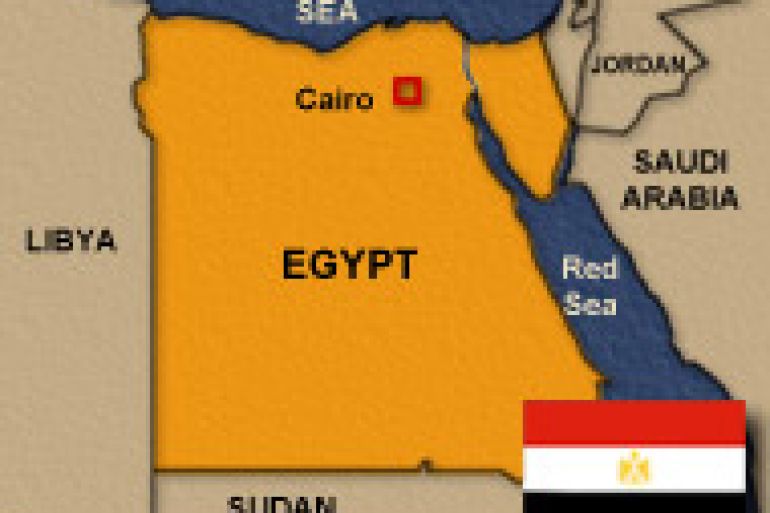
Egypt remained Africa’s leading destination for foreign direct investment (FDI) for the fourth consecutive year in 2025, attracting 15.5 billion U.S. dollars in inflows, the Egyptian cabinet said on Tuesday, citing a UN report.
Egypt’s inflows help “North Africa remain the continent’s largest recipient sub-region despite a sharp decline from the exceptional 2024 level,” according to the World Investment Report 2026 by UN Trade and Development (UNCTAD), cited by the cabinet.
The cabinet attributed the performance to structural reforms in the investment environment, infrastructure development, and the implementation of major national projects that have boosted competitiveness and attractiveness to investors.
Guinea ranked second in attracting FDI in 2025 with 7.8 billion dollars, followed by Mozambique with 5.7 billion dollars, Nigeria with 4 billion dollars, and Ethiopia with 3.8 billion dollars, the report shows. Africa as a whole attracted about 70 billion dollars in FDI in 2025, the third-highest level since 1990 and roughly one-third above the continent’s long-term average, according to the report.
rose to 4.28 purchasing power parity (PPP) dollars per person per day in 2025, while the number of people unable to afford a healthy diet declined to 2.69 billion from 2.97 billion in 2021.
However, affordability deteriorated in Africa, where 66.6 percent of the population could not afford a healthy diet. Lowering the cost of a healthy diet requires context-specific policy responses, the report stressed.
These would include investments in infrastructure and agrifood value chains, subsidy reforms, trade facilitation and regulatory frameworks to improve access to nutritious foods while strengthening resilience and supporting climate goals.
Torero said that reducing the cost of healthy diets will require both greater investment in infrastructure, including storage, logistics and cold chains, and policy measures that support the production and affordability of nutrient-rich foods.
The report was jointly published by the FAO, the International Fund for Agricultural Development, the UN Children’s Fund, the World Food Programme and the World Health Organization.
CAIRO, July 21 (Xinhua)