
Citizenship News
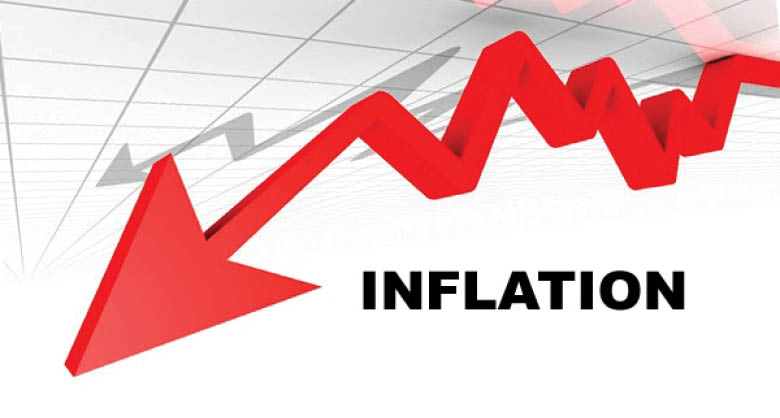
The Central Bank of Nigeria’s (CBN) Inflation Expectations Survey has indicated that the Inflation Perception Index stood at 40.0 points in July 2026, showing that respondents perceived inflationary pressures to have moderated compared to the previous month.
This is according to a Nigeria Economic Update report in its Issue of 31.
The Inflation Expectation Index is projected to decline to 21.2 points in August 2026, suggesting further ease in inflationary pressures.
Consistent with the outlook, the proportion of respondents who perceived inflation as high fell from 71.3% in June 2026 to 66.3% in July 2026.
Similarly, the share of households that viewed inflation as high declined from 76.0% to 67.3% over the same period.
Analysis by business size showed that microbusinesses (70.6%) recorded the highest perception of high inflation, while large businesses (6.0%) recorded the lowest.
By residential location, 68.8% of urban households perceived inflation as high compared to 64.3% of rural households. Across income groups, 71.0% of households earning between ₦150,001 and ₦250,000 per month viewed inflation as high.
Businesses and households identified energy costs, insecurity, interest rates, and exchange rate movements as the main drivers of inflation, while natural disasters, raw material and household purchases, and infrastructural challenges were considered the least significant contributors.
To reinforce the expected moderation in inflation, policy efforts should focus on addressing the key cost drivers identified by respondents, particularly by improving energy supply, strengthening security in food-producing areas, and maintaining exchange rate stability.
These measures would help ease production and distribution costs, moderate price pressures, and improve household purchasing power.