
From Victor Edozie, in Port Harcourt
Stakeholders of Niger Delta Region said that the only condition to vote for any presidential candidate in 2027 presidential election and others politicians seeking elective positions is a documented agreement to clean up the polluted environment of the Niger Delta states occasioned by oil exploration.
Presenting the position of the stakeholders at a symposium titled, “Regional Dialogue On Niger Delta Environmental Clean up: Issues and Way Forward”, organized by an environmental advocate group, ‘the Miideekor’ in Port Harcourt on Thursday, Barrister Iniruo Wills, a former Commissioner for Environment in Bayelsa State, said the Niger Deltans should be vigorously sensitized and mobilized to vote only for candidates who have caused a cleanup or have a Niger Delta-wide stakeholder-agreed programme.
Barrister Iniruo Wills said the candidates will personally sign commitment to the cleanup of what he described as the ecologically-bombed Niger Delta region.
Barrister Wills said the people of the region will not vote for any candidate who cannot show you a cash-backed path to a remediated, regenerated and ecologically restored Niger Delta region.
He said, “The CSO and E-NGO community should set to work on the strategy and execution for just such a campaign, pronto. That is a test for us to pass and hold ourselves accountable by.
So I start with an action challenge: The Civil Society Campaign Challenge for 2027. For President and Governors’ elections,
“Niger Deltans should be vigorously sensitized and mobilized to vote only for candidates who have caused a cleanup or have a Niger Delta-wide stakeholder-agreed programme and personally-signed commitment to cleanup the ecologically-bombed Niger Delta region. DON’T VOTE for any candidate or charlatan who cannot show you a cash-backed path to a remediated, regenerated and ecologically restored Niger Delta region.
“No forward looking country or sensible government in the world runs its petroleum or minerals sector the way Nigeria does. Seventy- actually over a 100-years of drilling, plumbing and polluting, without cleaning up after you. For context, that is the same mindset that informed slavery and colonization. That Nigerian leaders at national, state and-tragically even at some community levels allow this madness to continue without a lawful resolution or sustained commensurate challenge implicates a lack of collective self-esteem or racial self-degrading.
“So let it sink into everyone’s head that the 70-100 years of reckless pollution, gassing and ecological degradation of the ND region is on the same scale of inhumanity as those historical crimes against humanity. That makes it understandable that there are advanced efforts towards making ecocide an international crime and why the International Criminal Court’s Office of the Prosecutor is already exploring the trial of ecocide within the categories of crime in the existing jurisdiction of the ICC.
Some industry and governmental executives who have caused or allowed this environmental genocide (as the Bayelsa State Oil and Environmental Commission calls it in its sober report) will be prosecuted by the world’s criminal court, hopefully soon enough.”
“Going by official data from the National Oil Spill Detection and Response Agency (NOSDRA) which are notoriously understated, easily 20,000 oil spills have occurred in the twenty years from 2006 to 2026.
“These figures do not include spills in Nigeria’s first 50 years of production till 2006, when NOSDRA was established. Also omitted are trillions of cubit feet of gas flared, the discharge of millions of barrels of toxic effluents or “produced water” into rivers, swamps and mangrove ecosystems. Taking these omissions into consideration, it is estimatable that billions of litres of crude oil have been released into the Niger Delta ecosystem since 1956 when oil production started in Otuabagi Community in the then Oloibiri Province, now in Bayelsa State. Shell, now Rennaissance in Nigeria, left well heads that continue to bleed oil into that community’s land and creeks forty to fifty years after they were hazardously abandoned.”
He said the typical Nigerian politician does not give a hoot about anything that has no political or electoral implications for them stressing that the people of Niger Delta will invite and cause President Tinubu, other frontline presidential candidates, and major gubernatorial candidates in Niger Delta states, to visit a series of grossly affected communities so the they will see their competing actions and plans for cleaning up the mess.
“Now the international oil companies (IOCs) have almost all sold off their onshore fields along with their humongous environmental liabilities to Nigerian operators in a bizarre bazaar of the long term economic, agricultural, physical and security sustainability of Nigeria and our communities. In typical Nigeria-wonder style, many of the IOCs lent money to the Nigerian companies to buy the fields from the same IOCs, because they knew they were selling them nearly a century’s load of ecological debts glamorized in the glitter of immediate petrodollars.
“The divestment bazaar was experimented during the Goodluck Jonathan presidency and went into full throttle under the preseidencies of Muhammadu Buhari and the incumbent, Bola Tinubu. They have gone unquestioned because the counterparties are assured that Nigerian governments and regulatory agencies would trade off national interest faster than Esau in the Bible would a mess of pottage, and they were confident our narrowly constructed legal or judicial system would often look the other way, blinded by a colonial mentality obsessed with procedural technicalities instead of substantive justice and equity.
Besides a handful of them, the new domestic operators make the IOCs look like saints in their pollution records. Almost every day in Rivers, Bayelsa, Akwa Ibom and Delta States, there is a major oil spill going on, dozing the mangroves and waterways with the devil’s excreta,” he pointed out.
Earlier in his welcome address the Team Lead of Miideekor Regional Dialogue On The Niger Delta Environmental Clean Up, Comrade Celestine Akpobari berated the environmental degradation in the Niger Delta states saying that petroleum activities have devastated communities and ecosystems.
He said oil pollution, pipeline spills and artisanal refining have continued to contaminate land, water and air.
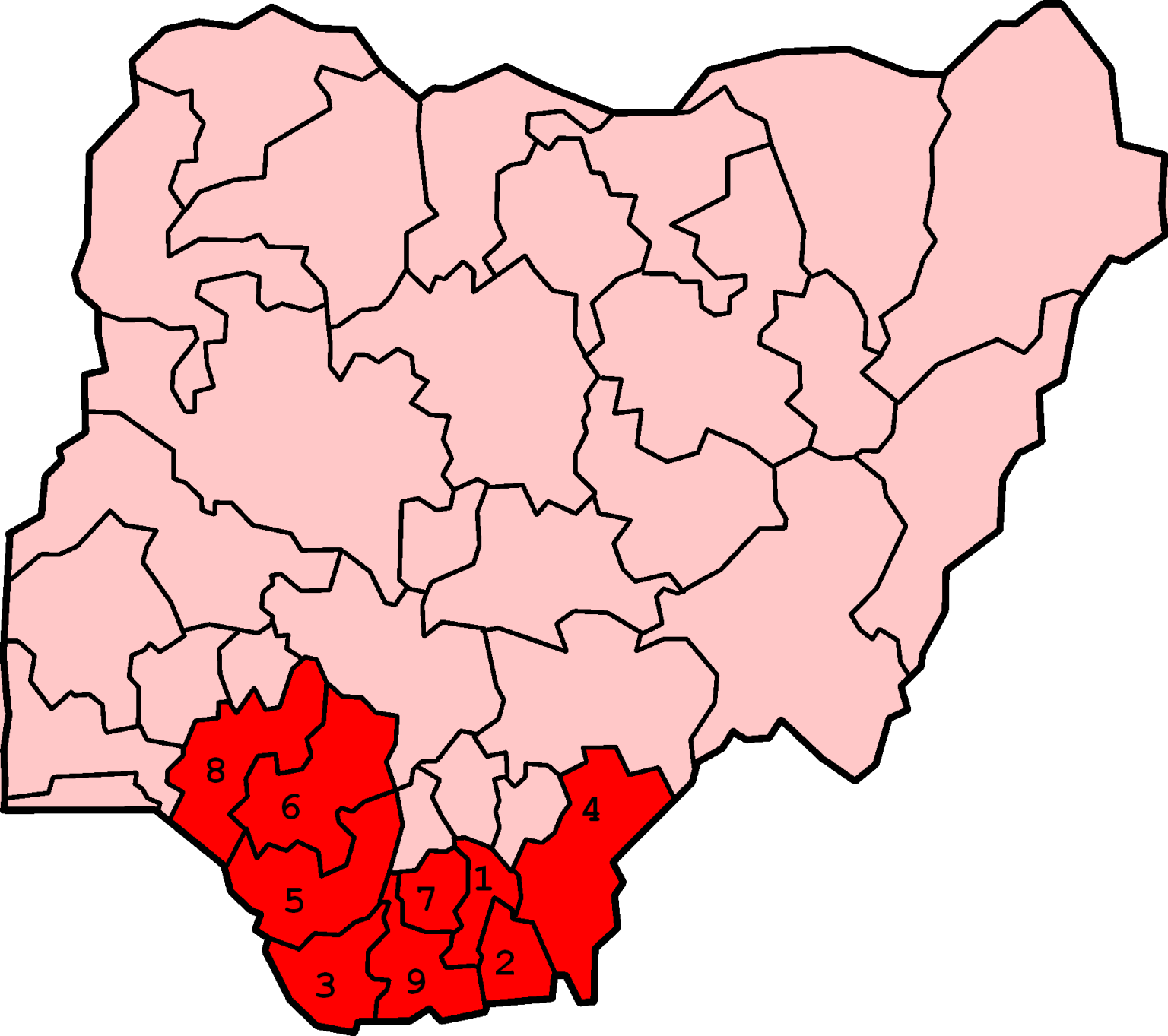
He said, “But let me say plainly, before we go any further, why this gathering is called a Regional Dialogue and not an Ogoni dialogue. If we leave this hall today believing that a clean Ogoniland means a clean Niger Delta, we will have failed everyone who could not be in this room. Ask Bayelsa, where oil spills, gas flaring, mangrove destruction and other petroleum activities have devastated communities and ecosystems; ask Rivers, where oil pollution, pipeline spills and artisanal refining continue to contaminate land, water and air; ask Delta, where decades of oil production, gas flaring and spills have damaged communities and waterways; ask Ondo, where coastal erosion, oil-related pollution and the long-running Ororo-1 well fire continue to threaten the people of the Ilaje coast.
“Ask Ayetoro, losing homes to a sea that should never have risen this fast, this close, this violently, while gas flares nearby keep burning day and night as if the ocean swallowing their town were not warning enough; ask Akwa Ibom, where oil spills and offshore and coastal activities threaten fishing grounds and fragile ecosystems; ask Imo and Abia, where oil pollution is compounded by the environmental impacts of artisanal refining and poorly managed petroleum operations; ask Edo, where oil-producing communities continue to contend with spills and the environmental consequences of extraction.
“And ask Cross River, where the protection of its coastal and aquatic ecosystems remains critical in the face of petroleum-related activities. Different states, different communities, different manifestations of the crisis, but one shared reality: the Niger Delta continues to pay an environmental price for the wealth extracted from beneath its soil and waters.
“In 2023, the Bayelsa State Oil and Environmental Commission gave this suffering a name that many of us had been reaching for without daring to say it aloud. Their report did not soften the language, and I will not soften it here either ; they called what has happened to this region an environmental genocide. A people poisoned slowly, generation after generation, in the very land meant to sustain them, while the wealth pulled from beneath their feet built cities they will never see and lives they will never live.”