From Femi Mustapha, in Kaduna
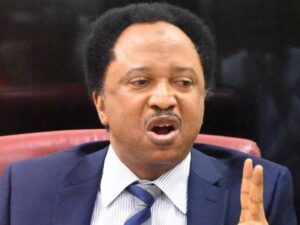
Former Kaduna Central Senator Shehu Sani has defended Nigeria’s Catholic Bishops, stating they have a longstanding tradition of speaking truth to power and have never been partisan in their dealings with political leaders.
Sani commented on Saturday in response to the controversy sparked by remarks from Cardinal John Onaiyekan, former Archbishop of Abuja, regarding President Bola Ahmed Tinubu’s administration.
On Arise Television’s _Prime Time programme on Friday, Cardinal Onaiyekan said the Catholic Bishops’ Conference of Nigeria (CBCN) told President Tinubu during a recent meeting at the State House that the country’s economic struggles are severely affecting the poor.
The Cardinal also claimed that the President is not receiving accurate briefings on the realities facing the country.
According to him, the President is determined to win the 2027 general election “by all means,” and warned that the government’s access to state resources could jeopardize the credibility of the electoral process.
These comments prompted a response from Daniel Bwala, Special Adviser to President Tinubu on Policy Communication.
In a post on X, Bwala criticized Onaiyekan’s remarks as politically motivated. He stated the Cardinal was speaking only for Catholics, not for all Christians, and called him “more political than spiritual.”
Bwala also defended the President’s response to the bishops, asserting Tinubu’s stance was backed by facts and data.
However, in his own post on X on Saturday, Shehu Sani supported the Catholic Bishops, emphasizing their consistent history of speaking truth to power across different government eras.
“From the era of Military rule and throughout the period of civilian Governments, the Catholic Bishops have a consistent history of telling truth to power,” Sani wrote.
He stated that the bishops have never been partisan in their engagements with political leaders.
“They have never been partisan. Every President they visited, they brought him a gift of Bitter Kola instead of Olive Oil,” the former lawmaker added.
Sani’s statement comes amidst growing public debate over the role of religious leaders in national discourse, especially on issues related to governance, the economy, and the upcoming 2027 elections.