
Citizenship News
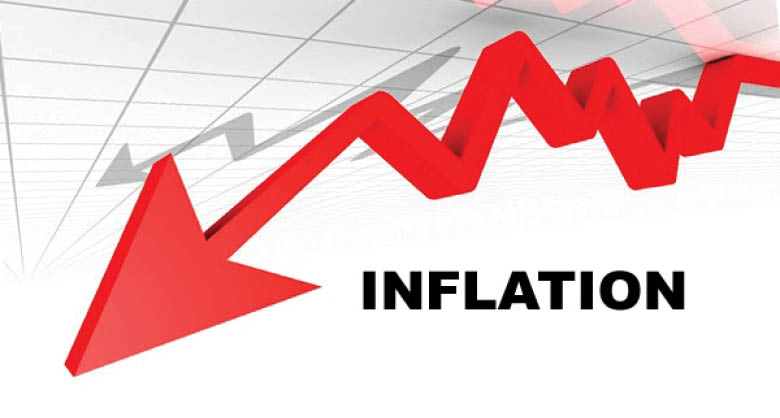
The National Bureau of Statistics (NBS), has released the latest Nigeria’s headline inflation rate pegging it at 15.43% year-on-year in July 2026, down from 15.91% in June, despite the Consumer Price Index (CPI) rising to 145.3.
On a month-on-month basis, headline inflation also eased to 1.57%, compared with 1.66% in the previous month. Core inflation, which excludes relatively volatile food and energy components, also moderated to 14.97% year-on-year, while its monthly rate fell sharply to 0.15%.
However, food inflation moved in the opposite direction, rising significantly to 5.56% in July from 3.75% in June, driven largely by higher prices of fresh pepper, onions, tomatoes and water yam.
The broad moderation in headline and core inflation suggests that recent macroeconomic adjustments are beginning to ease underlying price pressures.
However, the sharp acceleration in monthly food inflation highlights persistent supply-side constraints, seasonal pressures and weaknesses in agricultural distribution networks.
This divergence is particularly concerning because food and non-alcoholic beverages account for a substantial share of household expenditure, meaning that continued food-price pressures could undermine the gains from moderating core inflation and prolong cost-of-living pressures.
Given the situation, it is expedient for the government to complement monetary measures with targeted supply-side interventions in food-producing areas.
In the immediate term, the Federal Ministry of Agriculture and relevant state authorities should identify major food-supply bottlenecks and prioritise the rehabilitation of roads, storage facilities and irrigation infrastructure in affected production corridors.
Above all, the Central Bank of Nigeria should maintain a sufficiently tight monetary stance to prevent temporary food-price shocks from becoming embedded in broader inflation expectations.