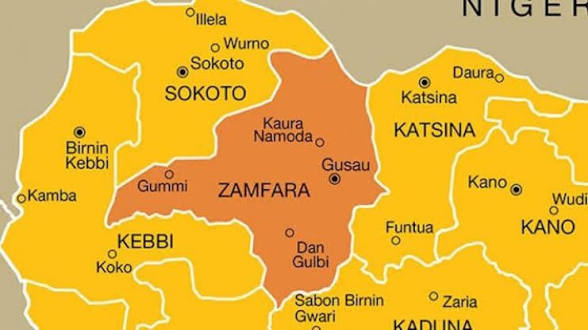

From Sidi Ibrahim Kaulahii, in Gusau
The Zamfara State Advocacy Teams (SAT) seek strong collaboration with the National Human Rights to fight Gender-based Violence and Gender Human Rights as well as encouraging outreach activities against the existence of Tuberculosis (TB) in Zamfara State.
The declaration was jointly made during a visit by the State Advocacy Teams to the office of the National Human Rights Commission in Gusau, Zamfara State capital.
The main objective of the visit as according to the deputy Coordinator of Zamfara State TB Network, Abdullahi Lawali Bungudu, was to establish and enhance collaboration with the National Human Rights Commission, as well as to seek its support for the effective implementation of the Community-Led Monitoring (CLM) integrated approach.
Lawali Bungudu, who further explained the need for collaboration, said the advocacy team aimed to foster a shared understanding of the project’s objectives, scope, and potential benefits among key stakeholders in the state.
Also speaking, the State Programme Officer (SPO), Yahaya Muhammad, outlined the objectives of the project and informed the State Coordinator of the National Human Rights Commission (SC-NHRC), Mr. Abdullahi Abubakar, about the gender-based violence and gender human rights (GBV/GHR) outreach activities conducted by some community-based organizations (CBOs), which revealed significant human rights issues in the community.
The SPO sought the SC-NHRC’s to pay the most constitutionally needed attention on these violations with a view to achieve the eradication of TB cases, especially by encouraging provision of high quality medicine and protection of patients from stigma in the society, as well as ensuring GBV and GHR are protected.
Making explanation on the objectives of the project, the SPO said the TB Network in Zamfara (part of the Civil Society for the Eradication of Tuberculosis in Nigeria, or TB Network) is a coalition of NGOs and CSOs focused on achieving a TB-free Nigeria.
The SPO thanked the SC-NHRC for his insights regarding the highlighted issues and promised to equip his CBOs accordingly. The DSC-TB Network expressed appreciation for the commission’s engagement and emphasized the importance of collaboration moving forward.
“This visit is not only to strengthening the existing relationships but also to lay the groundwork for ongoing cooperation to effectively tackle public health challenges.
“The core objectives of the project is to coordinate civil society actions to increase access to high quality and comprehensive tuberculosis services”, he added.
Responding, the State Coordinator NHRC, Abdullahi Abubakar, pledged full support for the projects and expressed appreciation for the visit, noting that, wherever there are humans, there are rights and wrongs, likening it to those who receive their books in heaven on their right hands, signifying safety.
He encouraged the CLMT to reach out to the commission for participation and support during their outreach efforts. He also shared his recent visit to Gusau prison, highlighting unsatisfactory conditions and the lack of skill acquisition centers compared to other states, where students have opportunities to take WAEC and NECO exams or enroll in degree programs.
He mentioned the prevalence of TB cases and inquired about how the programme plans to address this issue, noting that one of the staff members appeared to be a suspected TB patient.