
From Femi Mustapha, in Kaduna
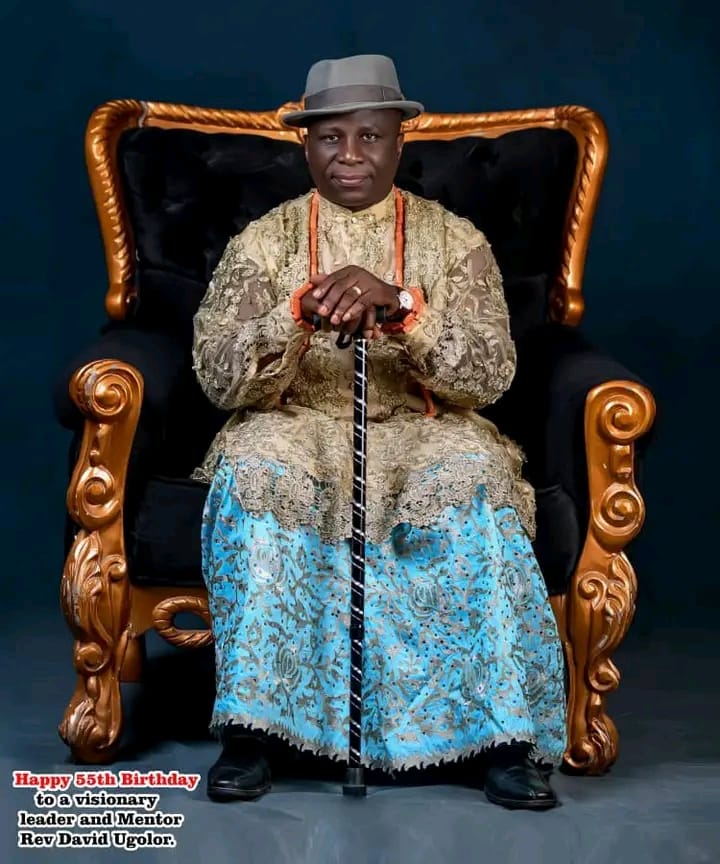
Rev. David Ugolor, Executive Director of the Africa Network for Economic and Environmental Justice (ANEEJ), has shared his thoughts on the Nigerian government’s fight against corruption. While he acknowledges the government’s expressed commitment to this fight, he questions the depth of that commitment.
In a recent media interview, Ugolor highlighted that the battle against corruption appears uneven and lacks necessary structural reforms, especially in areas such as procurement, asset recovery, and political financing.
He raised concerns about selective prosecution, emphasizing that the Economic and Financial Crimes Commission (EFCC) must operate with impartiality to avoid accusations of political bias.
Ugolor also stressed the need for transparency regarding recovered assets and for strengthening collaboration with civil society to build public trust.
Although he noted that there have been significant investigations and arrests, including those involving politically exposed persons, signaling some seriousness in the anti-corruption efforts, Ugolor believes that true progress requires institutional consistency, transparency, and broader governance reforms.
He urged the EFCC to maintain professionalism, impartiality, and adherence to the rule of law, ensuring that cases are well-prepared and supported by evidence.
Additionally, he suggested that the EFCC collaborate strategically with the judiciary to prevent failures in prosecution due to inadequate investigations or legal shortcuts.
Ugolor emphasized that improving transparency regarding recovered assets and enhancing engagement with civil society are crucial for fostering public trust.
ANEEJ advocates for a transparent, accountable, and systematic approach to combating corruption, focusing on strengthening institutions and promoting integrity.
The organization works on capacity building for asset recovery, budget monitoring, and civic engagement to mitigate corruption at all societal levels.