
By Godwin Agia, Jalingo
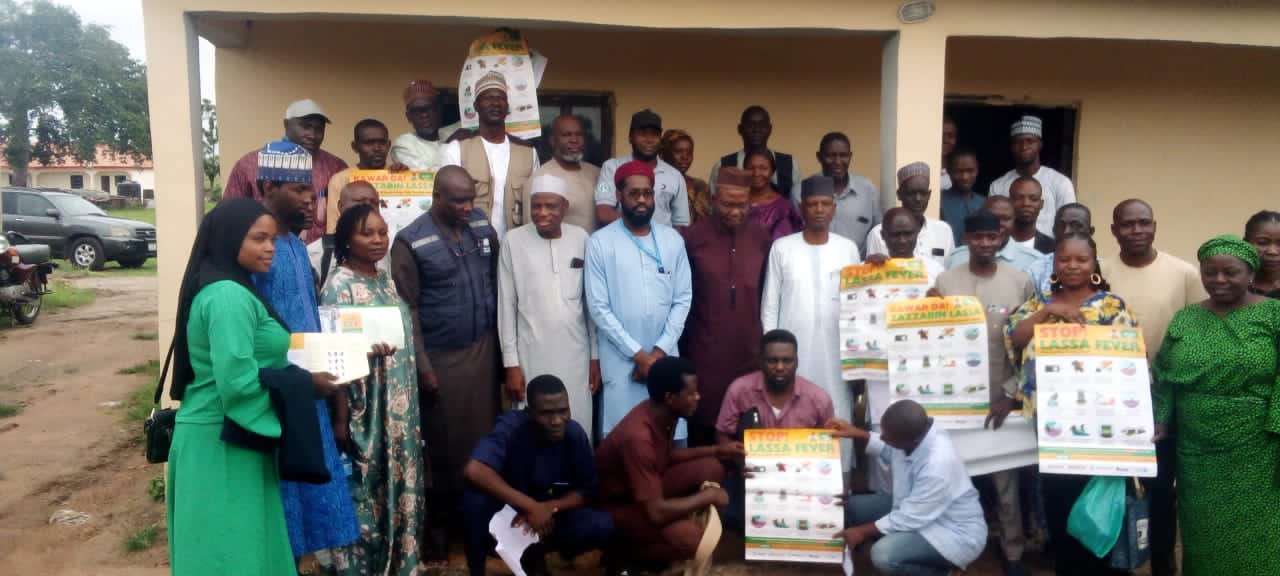
The Nigeria Centre for Disease Control (NCDC) and the World Health Organization (WHO) in collaboration with the Taraba State government on Friday organized a one-day workshop to sensitize local government officials, health workers, Media practitioners and community leaders on Lassa fever prevention and control.
The workshop which held in Sunkani, Arodo-kola local government, brought together participants from three local government areas, Jalingo, Ardo-Kola, and Bali LGAs.
Dr Mohammed Abdulkarim, community-led Benue coordinator explained that the workshop’s aimed was to educate participants on the risks and prevention measures of Lassa fever, as well as strengthen awareness and risk communication campaigns in the community.
He noted that Lassa fever is a significant public health concern in Nigeria, with Taraba State being one of the affected states, adding that the disease can be prevented through simple measures such as maintaining a clean environment, avoiding contact with rodents, and practicing good hygiene.
He said the importance of sensitization in preventing Lassa fever and encouraged participants to share their knowledge with others in their communities.
“Sensitization is key to preventing Lassa fever in our community. We need to educate people on the risks and prevention measures to reduce the spread of the disease.”
A representative of WHO, State surveillance officer, Pharmacist Salihu Sani Abubakar commended NCDC, UNICEF and other partners for uniting to sensitize communities on the dangers of Lassa fever.
“We are committed to working together with NCDC, UNICEF and other partners to prevent Lassa fever and promote public health in Nigeria. This workshop is a significant step towards achieving our goal.” he said.
Citizenship Daily reports that participants were drawn from various sectors, including health, education, and community leadership all appreciated the organizers and promised to share the knowledge and skills necessary to promote Lassa fever prevention and control in their communities.