
From Femi Mustapha in Kaduna
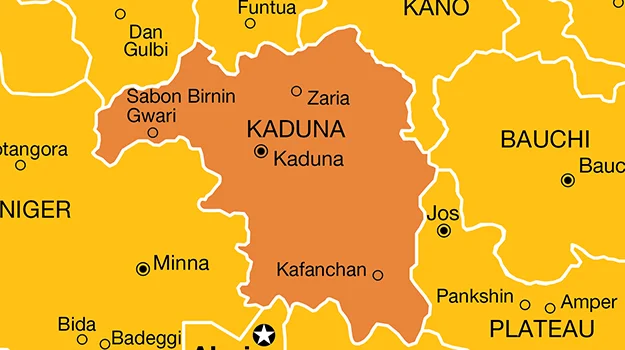
The Kaduna State Government, with support from UNICEF, has officially launched and handed over the Yusuf Dantsoho Medical Gas Pipeline (MGP) system to enhance access to critical oxygen services across the state.
The event took place on Monday at Yusuf Dantsoho Memorial Hospital in Kaduna. It was described by Health Commissioner Hajiya Umma Ahmed as more than just an infrastructure project—it represents a strong commitment to saving lives and protecting mothers, newborns, and vulnerable populations.
Ahmed emphasized that the new oxygen piping system builds on previous UNICEF investments, including a Level 2 neonatal intensive care unit and a medical oxygen plant at the hospital. These initiatives, together, offer a comprehensive strategy for maternal and neonatal survival through a dependable, safe, and continuous oxygen supply.
She explained that oxygen remains vital for newborns, women with obstetric issues, and critically ill patients, often being the key factor in survival. The pipeline facilitates direct oxygen delivery to points of care, enhancing efficiency, safety, and emergency response, especially within neonatal units.
Ahmed added that the project supports Governor Uba Sani’s administration, which has strategically invested in health infrastructure, workforce, and partnerships across all levels of care. While maternal and neonatal challenges persist in Northern Nigeria, she noted that improved referral systems and expanded neonatal services are gradually transforming the landscape.
The commissioner assured UNICEF and other partners of the government’s dedication to maintaining the system through proper management, maintenance, and optimal utilization. She revealed that the 2026 budget allocates funds for two additional oxygen plants, along with accessories, maintenance, and training initiatives for biomedical engineers, clinicians, and nurses.
She praised the hospital’s management for ongoing reforms and urged healthcare workers to uphold quality, compassionate, and patient-centered care. Gratitude was expressed to Governor Sani for prioritizing health and to UNICEF for its enduring strategic partnership.
Earlier, Mr. Yusuf Moses, North-West Zonal Coordinator of the National Oxygen Desk at the Federal Ministry of Health and Social Welfare, recalled the launch of Nigeria’s revised National Strategy for Scaling Up Medical Oxygen (2023–2027). He noted that UNICEF and other partners have successfully listed oxygen as an essential medicine nationwide and highlighted post-COVID-19 challenges in quality and safety.
Moses emphasized that while oxygen is lifesaving, mishandling can be dangerous, advocating for the removal of cylinders from hospital wards in favor of pipeline systems. He described the new pipeline as a vital step toward safer oxygen delivery and urged Kaduna to manage it diligently and invest in ongoing capacity development.
“My plea to the Kaduna State Government is to ensure all resources are handled with utmost care. Strengthening the training of users—including doctors, nurses, and biomedical engineers—is crucial,” he stated.
Dr. Hadiza Iyal, UNICEF’s Health Specialist, described the inauguration as a significant milestone in UNICEF’s partnership with Kaduna and the Federal Ministry of Health. She highlighted that the medical gas pipeline is an investment in saving lives, improving clinical safety, and strengthening health system resilience, especially in light of lessons learned from COVID-19.
Iyal expressed pride in UNICEF’s partnership with Kaduna in this second phase, following the 2024 establishment of an oxygen plant, and reaffirmed UNICEF’s commitment to ensuring that no child, mother, or patient is deprived of essential medical oxygen due to resource limitations.