
From Edirin Robinson, in Kaduna
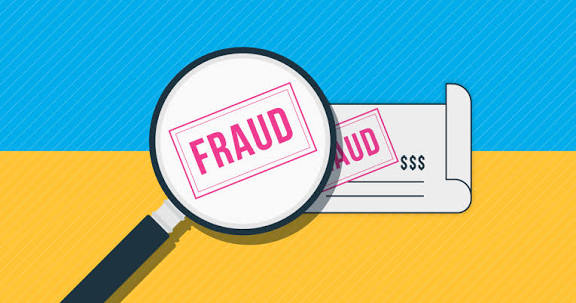
A Kaduna-based businessman, Mr. Patrick Michael, has shared his harrowing experience with fraudulent loan apps, warning Nigerians about the tactics employed by scammers.
According to him, the latest trick used by these fraudulent loan apps does not require the victim to have any dealings with them —they simply find ways to access your contact, call your phone and inform you about an insignificant amount of loan you ‘supposedly’ took.
Sharing his sad experience, he had received a call from an unknown number claiming he owed ₦8,500 which he denied as such amount was insignificant to him as a businessman. However, when he failed to comply, they contacted his wife, relations and associates.
“I was shocked. Loan? From where? They claimed I owed ₦8,500. I laughed in disbelief — ₦8,500? Me? If my staff heard, they would laugh too. I told them to go and find whoever took their loan because it was certainly not me.”
“But before I knew it, they had already published my picture and videos, spreading lies that I was a murderer “on the run.” Friends began calling, asking questions. My heart sank. I realized: these are criminals, not lenders.
“Because of the things they published, I later called my wife, only for her to tell me that they had also called her directly, claiming the amount was ₦18,500. To make matters worse, my wife had a similar experience just days ago.
“She uses a popular app for transactions. Out of nowhere, they called and claimed she borrowed ₦200 airtime. Imagine! ₦200. Later, they accused her of another ₦400 “loan” she never requested.”
Given the current state of the nation’s economy, Nigeria has become a jungle with many becoming predators who prey on others for selfish gains. The new tricks crafted by these hungry predators has many falling into the well laid out traps disguised as ‘the next good thing.”
From Ponzi Schemes, to betting or smart games, and finally, loan apps —Nigerians have seen it all. Usually, these fraudsters create a seemingly good product or system that is assumed to provide one with financial supports especially in needy times.
But once in, you find it’s a disguised trap that lures you in, and becomes a noose around your neck. In most cases, people have had bitter experiences after receiving help from loan apps only to discover they have been dealing with loan sharks.
Many Nigerians suffer in silence because of the shame, the harassment, and the lies these fraudsters threaten them with, and unless such victims speak out, share their stories and report to relevant authorities, such criminal acts will continue to thrive.
Mr Patrick called on the government to ban and prosecute these fraudulent loan apps, protect citizens from cyber-harassment and defamation, and enforce proper regulation of fintech companies.
“I want to use this medium to thank our President, Asiwaju Bola Ahmed Tinubu, the Nigerian Senate, the Nigerian Police Force, and all authorities working tirelessly to make Nigeria safer for its citizens.
“But today, I must raise my voice on this issue that has affected me personally —fraudulent lending apps that prey on innocent Nigerians. I refuse to be silent. I am not a criminal. I did not borrow their money.
“These loan sharks are destroying lives, reputations, and families over amounts as little as ₦200, ₦400, ₦8,500, or ₦18,500, if you’ve been a victim, speak out. Don’t let shame silence you. These criminals thrive in secrecy,” he warned.
Nigeria has several government agencies, including the Federal Competition and Consumer Protection Commission (FCCPC), the Central Bank of Nigeria (CBN), and the National Data Protection Bureau (NDPB), working to combat fraudulent loan apps and protect citizens from becoming victims.
The FCCPC is also working with the Nigerian Communication Commission (NCC) to address the growing concerns about loan apps hacking phones and harvesting phone numbers to harass and threaten victims.