
From Femi Mustapha, in Kaduna
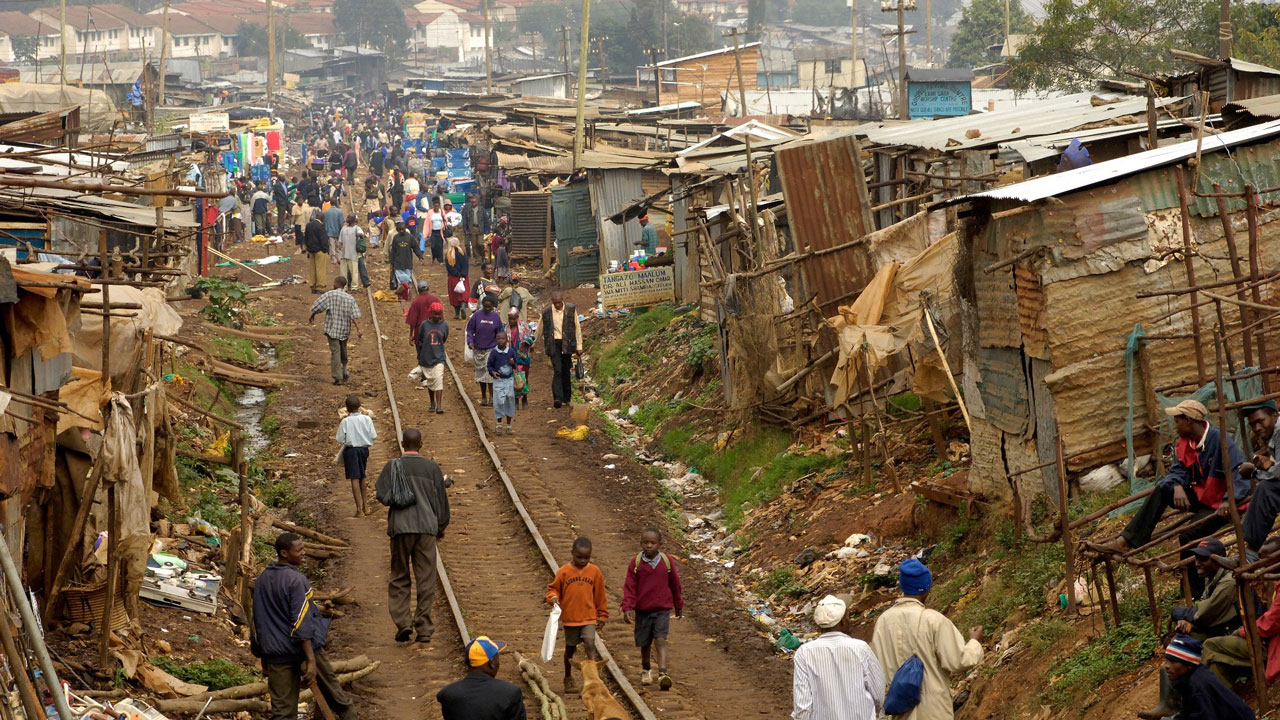
Innocent Edemhanria, a prominent environmental and economic activist, has raised concerns about the alarming levels of poverty, inequality, and corruption in Nigeria, a country rich in natural and human resources.
He said despite various development plans and significant revenues, millions of Nigerians remain trapped in poverty.
According to Edemhanria, the 2022 Multidimensional Poverty Index (MPI) Survey shows that a staggering 63% of the population—approximately 133 million people—are classified as multidimensionally poor.
He cites a World Bank report indicating that nearly half of Nigeria’s population, around 107 million people, lives below the international poverty line of $2.15 per day. This represents a severe increase in poverty, with an estimated 40 million additional individuals falling into destitution since 2018.
Edemhanria attributes this crisis to the destructive impact of corruption, a systemic issue that distorts governance, hinders development, and perpetuates poverty.
He identifies corruption as a major driver of poverty, manifesting through embezzlement, bribery, procurement fraud, nepotism, and political patronage, which divert resources meant for essential services.
The activist urges Nigerians to demand accountability and engage in governance, emphasizing that inclusive social protection can reduce opportunities for corruption and ensure equitable access to resources.
He recommends institutionalizing transparency and accountability mechanisms, integrating anti-corruption safeguards, and enhancing collaboration among agencies to break this vicious cycle.
Edemhanria stresses that “corruption drives poverty, but the reverse is also true. Poverty creates conditions in which corruption thrives,” calling for bold action to address these interconnected challenges and secure a brighter future for Nigeria’s citizens.