
By Femi Mustapha, in Kaduna
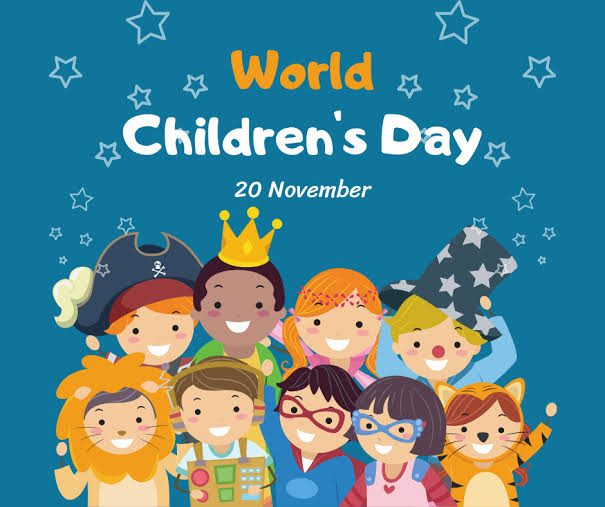
Today, November 20th, 2025, marks World Children’s Day, a global day of action to raise awareness about children’s rights, commemorating the adoption of the Convention on the Rights of the Child.
In Kaduna, Nigeria, children and stakeholders gathered to celebrate this day and highlight the challenges facing children in Nigeria.
In her statement, Dr. Gerida Birukila, the Chief of Office for UNICEF Kaduna, highlighted key findings from the Nigerian Child 2025 Report, recently launched by UNICEF Nigeria. The report reveals a grim picture of the realities faced by Nigerian children: nearly one in two live in income poverty, and almost 70% of households lack access to safe drinking water.
The report also indicates that the newborn mortality rate is 41 per 1,000 live births, while the maternal mortality rate stands at 1,047 per 100,000 live births. Among children under five, 40% are stunted, 8% are wasted, and an alarming 90% have experienced some form of violence.
Additionally, there are an estimated 10.2 million children of primary school age and 8.1 million children of secondary school age who are out of school. Disturbingly, 73% of children aged 7 to 14 cannot comprehend simple sentences, and 75% are unable to solve fundamental math problems. As 46% of Nigerians are under 18 years old, their demands for safety, education, and health reflect the urgent need for child-centered policies.
The 2025 State of the World Children’s Report, also launched today, emphasizes that child poverty is a global issue, with approximately 417 million children in low- and middle-income countries facing severe deprivation in two or more areas: education, health, housing, nutrition, sanitation, or access to clean water.
The reports stress that poverty harms childhood and negatively impacts communities, depriving them of hope and creating conditions conducive to violence and extremism. However, addressing child poverty is a policy choice, and there is clear evidence of effective strategies. What is needed now is a sustained commitment to implementing these proven methods.
As Nigeria celebrates World Children’s Day, stakeholders are urged to transform reflection into responsibility by working towards creating systems that ensure children’s safety, health, education, and empowerment. The voices of Nigerian children must be heard, and their rights must be protected. It is time for decisive leadership and continued commitment to guarantee that every Nigerian child has access to the essentials needed to survive and thrive.