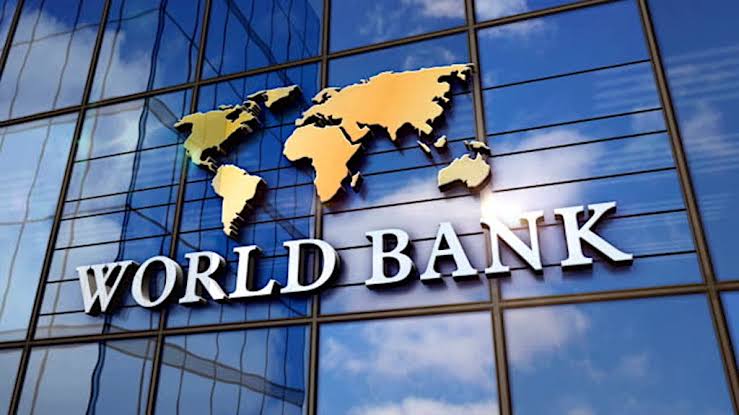

The October 2025 Nigeria Development Update (NDU) report from the World Bank revealed that, between 2019 and 2023, average consumption decreased by 6.7%, particularly in urban areas.
The report also indicated that the percentage of Nigerians unable to meet healthy caloric requirements, even if they spent their entire income on food, rose from 14% to 27% between 2019 and 2023, equivalent to 139 million Nigerians living in ultra-poverty in 2023.
The World Bank report indicated that while the reforms (mainly exchange rate unification and subsidy removal) are addressing previous policy errors, significant improvements in living conditions will depend on sustained disinflation, more robust inclusive growth, enhanced public services, and consistent targeted assistance for the most vulnerable.
The report also emphasised that macroeconomic reforms need to continue advancing to strengthen stability and protect against risks, given that the economic outlook remains vulnerable to both external and domestic risks.
Thus, policymakers’ priority should include the transparent expansion of social protection programs to protect vulnerable households and the efficient implementation of the tax reform policies to lessen the tax burden, potentially boosting employment.
Also, the informal economy should be supported through targeted credit schemes and steady and affordable energy.
(Nigeria Economic Update Issue 41)