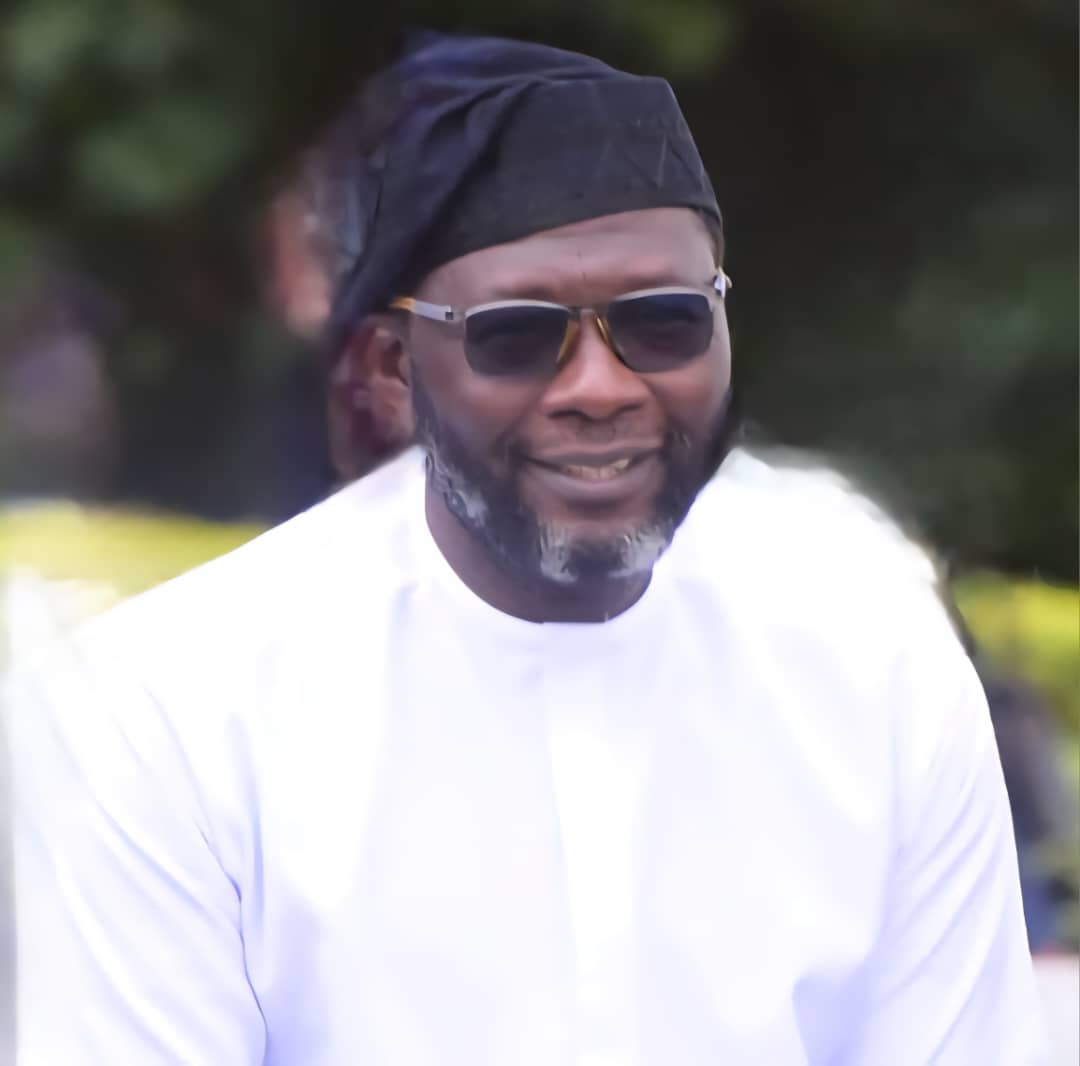

It is one of the great contradictions of our time: a nation of more than 200 million people, blessed with some of the brightest medical minds on the planet, yet plagued by a health system so fragile that a simple accident, a preventable infection, or an easily managed chronic illness can become a death sentence. The recent passing of former Senator Ibrahim Musa Kotangora, reportedly because he could not access the necessary medical treatment, has once again jolted the nation’s conscience. But will this moment of outrage survive beyond the funeral? Will it spark a permanent shift in how we approach health, or will it fade into the background noise of our national forgetfulness — to be revived only when another tragedy strikes?
We know our problems too well to pretend surprise. This is not about a lack of diagnosis; it is about the lack of treatment for the diagnosis we already have. From inadequate infrastructure to chronic underfunding, from policy inconsistency to corruption so entrenched it feels normal, the failings of Nigeria’s health sector are an open wound. And like untreated wounds, they fester, infecting every layer of our society. We watch leaders, one after another, announce ambitious plans for “world-class hospitals” to end medical tourism. We cut ribbons, we applaud the architecture, we listen to speeches about “new dawns” in healthcare, then we discover that equipment is missing, maintenance is non-existent, and staff are poorly motivated. The buildings stand, but the promise collapses.
The cruelest truth is that many of these hospitals are never intended for those who build them. They are for “the people” — the nameless, faceless millions whose votes are courted every four years, whose needs can be postponed indefinitely. The leaders themselves, from the smallest local government chairmen to some top political leaders, have their real hospitals overseas. It is an unspoken contract: when they are ill, they will board a plane. The cost will be quietly billed to the same public that must endure broken beds and empty pharmacies at home.
Since 1999, not one Nigerian leader not even the opposition has relied fully on local healthcare for major treatment. Not one. Our tertiary hospitals, with budgets running into hundreds of millions of naira annually, is not trusted by those it is meant to serve. If does leaders not trust their own hospitals, why should the rest of the country? The message is devastating: “This system is good enough for you, but not for us.” The hypocrisy is not hidden; it is flaunted. In the process, we normalise a culture where leaders escape the consequences of the systems they neglect, while citizens pay the full price in sickness and death.
The Ekweremadu saga is a stark example. The former Deputy Senate President’s legal troubles in the UK over an organ transplant not only embarrassed a man who once presided over our legislature, but it shamed the nation. Organ transplants are not exotic procedures anymore. In countries with fewer resources than Nigeria, they are performed routinely. Our surgeons are capable, many trained in the very hospitals abroad where they now work. What they lack here is infrastructure, investment, and the confidence of a political class that refuses to be treated in the system they oversee.
The numbers paint an equally grim picture. In 2024, the federal budget allocated just N1.2 trillion to health, a mere 5.03% of total spending. This is less than half of the 15% target Nigeria pledged under the 2001 Abuja Declaration. Even our best-ever allocation, 6.23% in 2012, is a far cry from the benchmark. The result? Falling antenatal coverage, declining childhood vaccination rates, reduced access to care for under-five illnesses, and an accelerating exodus of healthcare workers. In the last five years, over 16,000 Nigerian doctors have left for opportunities abroad, leaving just 55,000 to serve more than 200 million people — a ratio so poor it would be laughable if it were not so tragic.
We have lived with this reality so long that we almost believe it cannot be changed. But history tells a different story. Countries like India, once plagued by medical shortages and dilapidated facilities, invested strategically over two decades to become hubs for high-quality, affordable care, attracting patients from around the world. Thailand, with a smaller GDP than Nigeria, turned its hospitals into regional centers of excellence. Rwanda, emerging from a devastating genocide, rebuilt its health system by prioritising primary care, insurance coverage, and community-based services. If they could do it, so can we — if we choose to.
But choice is the key word here. We cannot wait for reforms to happen organically. We need deliberate, binding decisions that force change. This is why the idea of legislating against medical tourism for public officials is not extreme; it is necessary. Imagine a law that requires all political office holders, senior civil servants, and their immediate families to use Nigerian hospitals for treatment, except in life-threatening emergencies certified by an independent medical board. Suddenly, the urgency to fix the system would no longer be theoretical. The day a governor’s child needs surgery in the same public hospital where constituents queue, that hospital will get the equipment, staff, and standards it deserves.
Of course, legislation alone is not enough. We must also commit to funding healthcare properly. The Abuja Declaration’s 15% must stop being a hollow pledge. It should be mandated by law, protected from mid-year diversions, and linked to measurable outcomes. Every naira spent should be traceable, with an independent Health Sector Accountability Agency empowered to audit projects, investigate fraud, and prosecute offenders without political interference.
We must also tackle the human capital crisis head-on. The brain drain will not slow until we make staying in Nigeria as professionally rewarding as leaving. This means competitive salaries, modern equipment, funded research, and safe working conditions. It means creating pathways for professional growth so our best talent is not lost to the NHS or Canada’s healthcare system. At the same time, we must expand the pipeline — doubling medical school intake, upgrading nursing colleges, and funding specialist training in key areas like cardiology, oncology, and organ transplantation.
Technology can accelerate the transformation. We should be deploying telemedicine to bridge rural gaps, mobile apps to track immunisations and chronic care, AI to aid diagnostics, and wearable devices for remote patient monitoring. These are not futuristic luxuries, they are tools already in use globally, often in countries with fewer resources than ours. Alongside this, we must modernise our hospitals, starting with at least one teaching hospital in each geopolitical zone reaching international accreditation within five years.
And then there is the community factor. Healthcare is not just about buildings and machines; it is about trust, culture, and access. Local governments must be empowered — and held accountable to design health programs that reflect the needs of their populations. Community health workers, trained and supported, can be the bridge between remote households and the formal system, improving vaccination rates, maternal care, and disease surveillance.
The rewards of doing this right are immense. Billions of naira currently spent annually on medical tourism, some estimates put it at over $1 billion, could stay in Nigeria, funding jobs, research, and infrastructure. Patients would no longer have to sell land or crowdsource on social media to pay for treatment abroad. Public trust in governance would rise, not because of slogans, but because of tangible improvements in daily life. And, perhaps most importantly, the message would change: that Nigerian lives are worth the same investment and care as those of our leaders.
But to get there, we need more than wishful thinking. We need a binding national commitment, sustained over years, immune to the electoral cycle. We need leaders willing to take the first step by subjecting themselves to the very services they Legislate for others. And we need citizens ready to demand nothing less, refuse excuses, and make healthcare a non-negotiable priority in every political conversation.
We stand at a crossroads. One road leads to more of the same: tragedies, outrage, and forgetfulness. The other leads to a health system that works: staffed, equipped, funded, and trusted. We have the expertise. We have the examples to follow. And we have the urgent need staring us in the face. The question is no longer “What needs to be done?” but “Who will do it — and when?”
GOD BLESS THE FEDERAL REPUBLIC OF NIGERIA!